
The 5th International Conference on Green Energy and Power Systems (ICGEPS 2026) Successfully Concludes in Hangzhou!
From April 17 to 19, 2026, the 5th International Conference on Green Energy and Power Systems (ICGEPS 2026) was successfully held in Hangzhou, Zhejiang Province.The conference was hosted by Hangzhou Dianzi University (HDU) and organized by the Institute of Carbon Neutrality and New Energy of HDU. It also received strong support from the Hebei Provincial Key Laboratory of Heterocyclic Compounds, the Hubei Provincial Key Laboratory of Low-Dimensional Optoelectronic Materials and Devices,AEIC Academic Exchange Information Center.

On the morning of April 18, the conference officially opened. The opening ceremony was chaired by Prof. Zugang Liu of China Jiliang University, Co-Chair of the Technical Committee. Prof. WenshengYan, Chair of the Conference and Director of the Carbon Neutrality and New Energy Research Institute of Hangzhou Dianzi University, delivered the opening address. He noted that, against the backdrop of rising global energy demand and increasingly urgent environmental and climate challenges, the rapid development of renewable energy, smart grids, energy storage, and new energy technologies is profoundly transforming the production, transmission, storage, and utilization of energy. He also expressed his hope that the participating scholars would engage in in-depth exchanges, build lasting friendships, and jointly promote innovation and sustainable development in green energy and power systems.
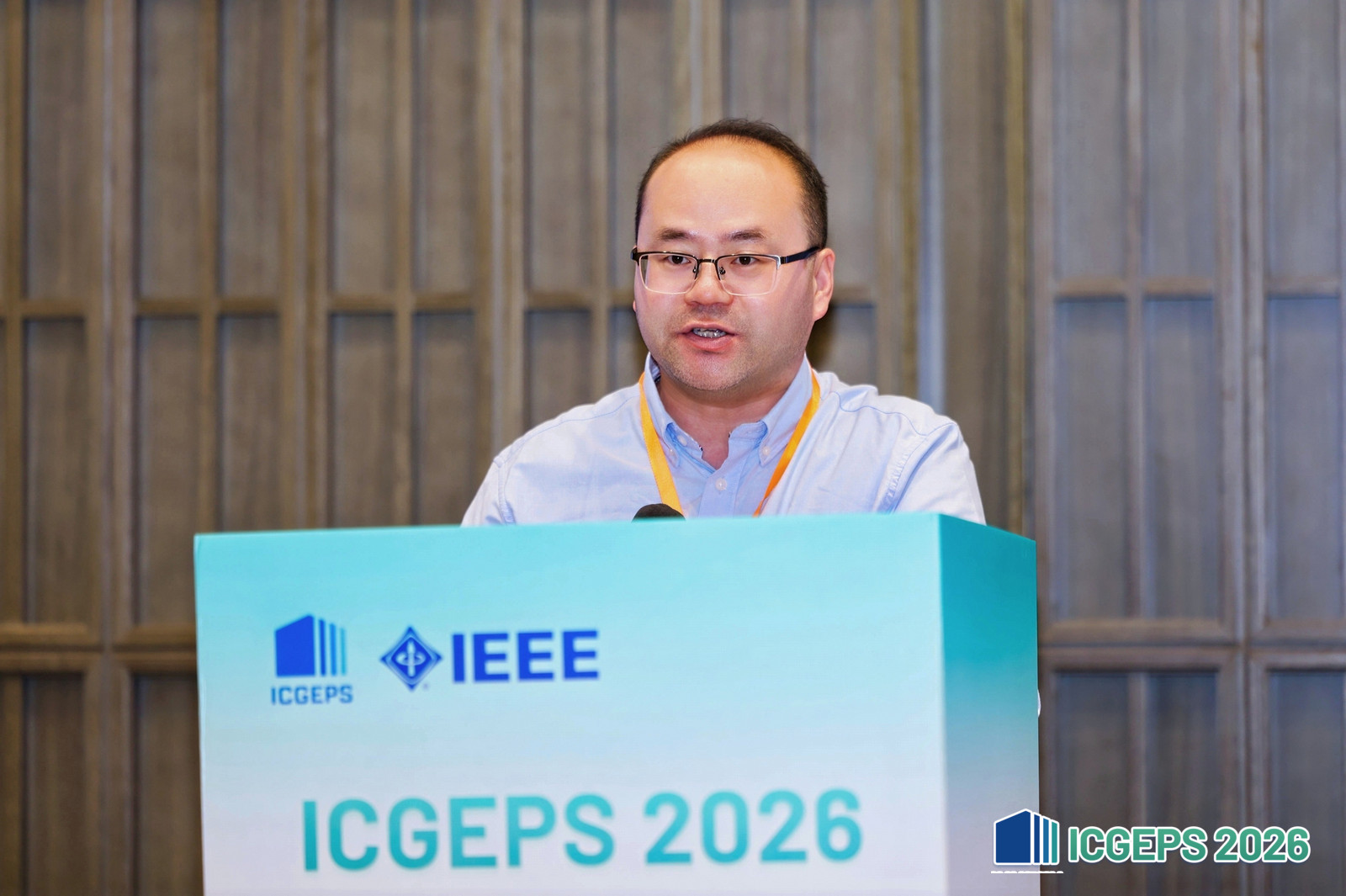
The conference then moved into the keynote speech session, during which five distinguished experts delivered insightful presentations. The first keynote was given by IEEE Fellow, Prof. Zhigang Liu of Southwest Jiaotong University, titled “Research on the Application of Deep Learning in High-Speed Railway Train-Network Impedance Identification and Intelligent Control.” His presentation addressed the challenges of limited accuracy in high-speed railway train-network impedance modeling and the poor adaptability of control systems under complex operating conditions, offering an innovative intelligent solution for railway electrification.

The second speaker was Prof. Zugang Liu of China Jiliang University, who delivered a presentation titled “Low-Voltage-Driven Efficient Perovskite and Quantum Dot Light-Emitting Diodes.” By optimizing interface, composition, and device structure engineering, he achieved high-brightness emission under low voltage and provided important support for large-area solution-based processing.

The third keynote was delivered by Prof. Hui Hou of Wuhan University of Technology, titled “A Deep Reinforcement Learning Framework for Low-Carbon Integrated Energy System Optimal Scheduling Considering Battery Degradation.” In her presentation, she introduced a deep reinforcement learning framework that effectively integrates low-carbon and economic objectives, providing a high-performance solution for the optimal scheduling of integrated energy systems.

The fourth speaker was Prof.Bo Yang of Kunming University of Science and Technology, who delivered a presentation titled “Optimization of Renewable Energy Systems Based on Artificial Intelligence.” He systematically elaborated on the theories and methods for the efficient utilization of renewable energy enabled by artificial intelligence, covering four key aspects: assessment and prediction, operation, planning, and scheduling.
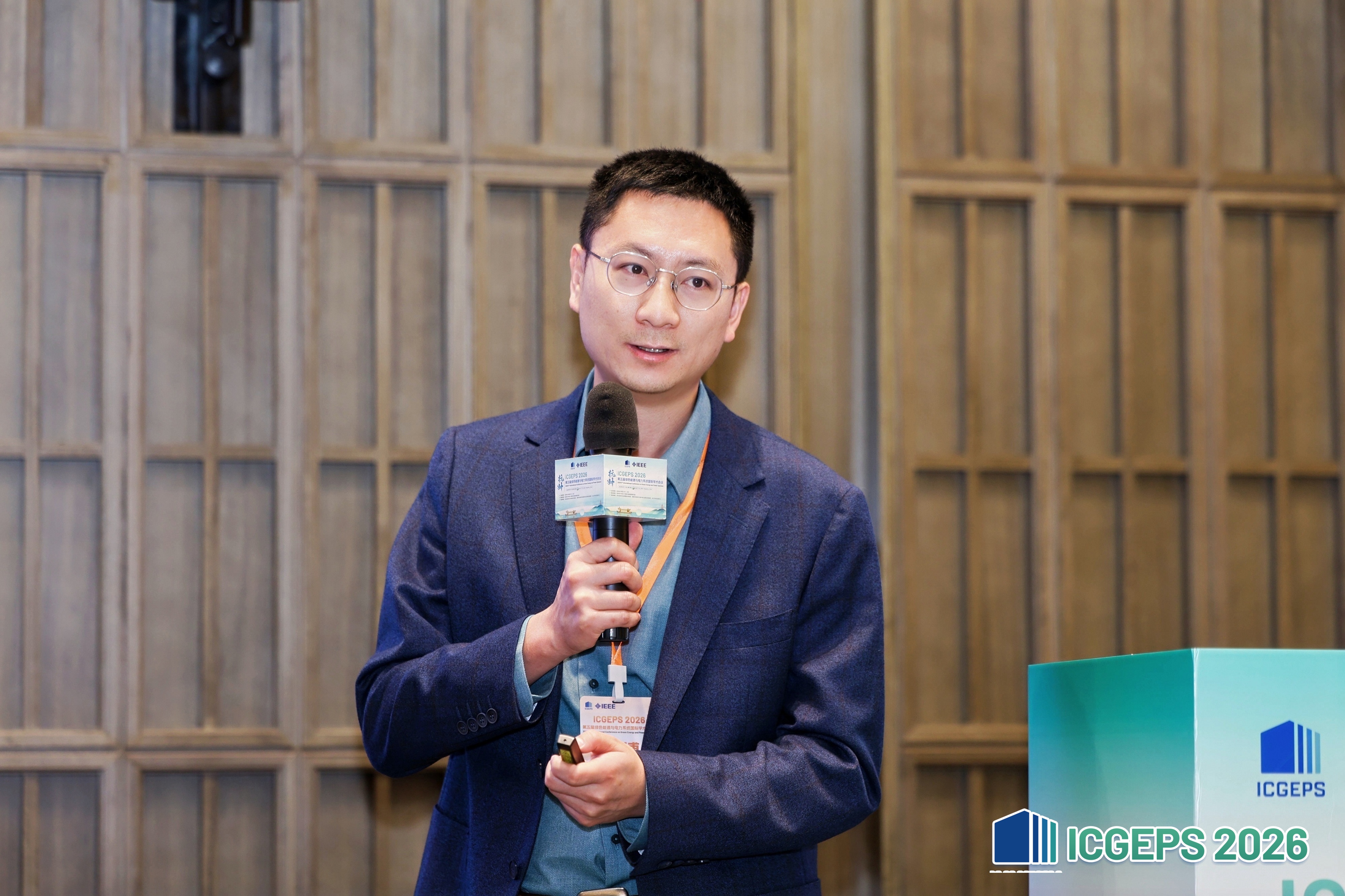
The final keynote was delivered by Associate Prof. Muhammad Junaid of China University of Mining and Technology, titled “Effects of Controlled AMF and TMF on the Arc Quenching Performance of a 12 kV/5 kA Liquid Nitrogen Switch.” He systematically investigated the effects of controlled magnetic fields on the arc quenching performance of liquid nitrogen switches, providing important experimental evidence for the development of environmentally friendly high-voltage switchgear.

On the afternoon of April 18, the conference featured two parallel sessions, focusing on “Green Energy Conversion and Energy Storage Technology” and “Power System Analysis and Intelligent Control,” respectively. Young scholars engaged in in-depth discussions on cutting-edge topics such as wind-solar-storage integration, multi-physics modeling of fuel cells, power system risk assessment, and virtual power plant market mechanisms, creating a vibrant and interactive academic atmosphere.
 |  |
 |  |
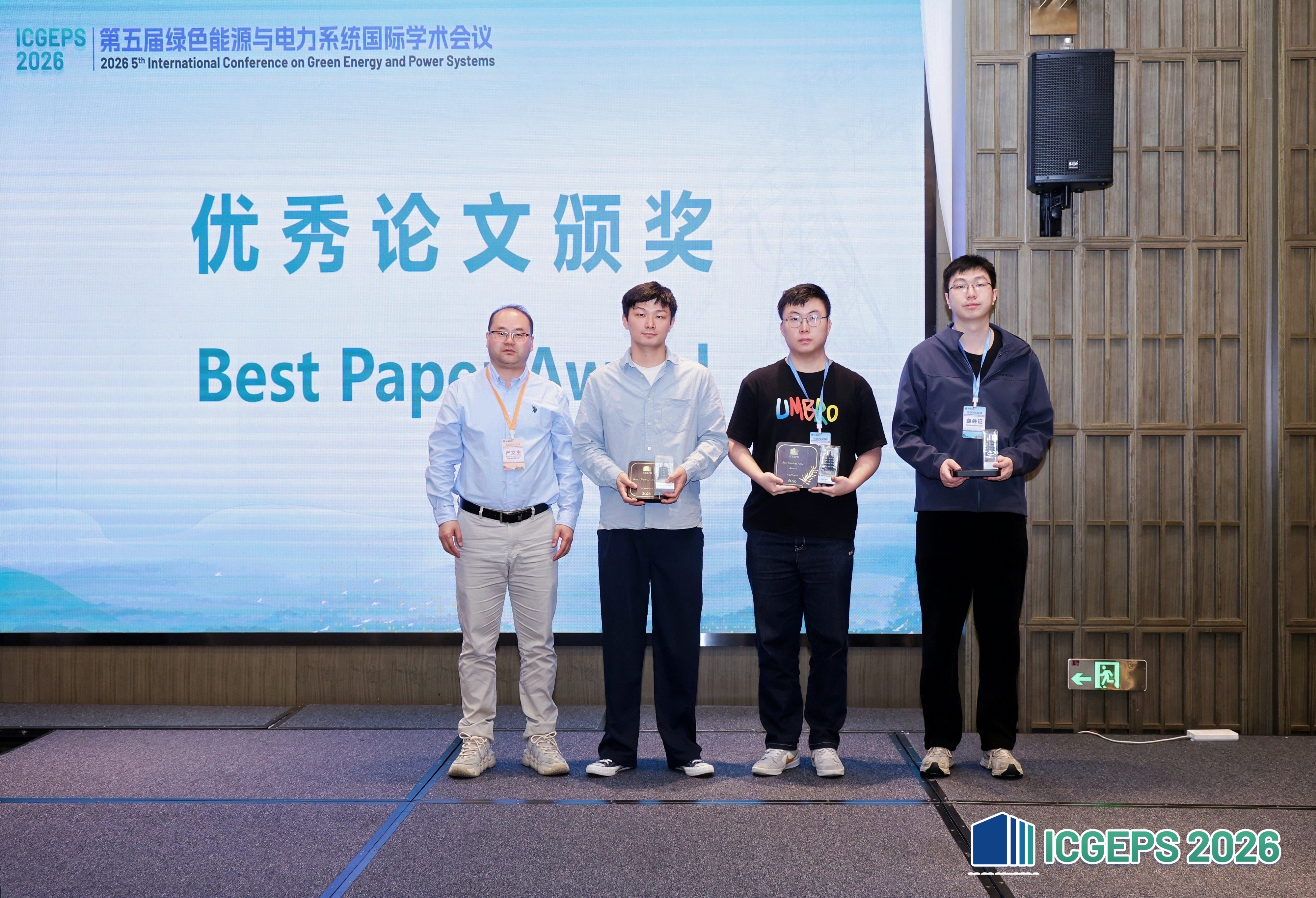
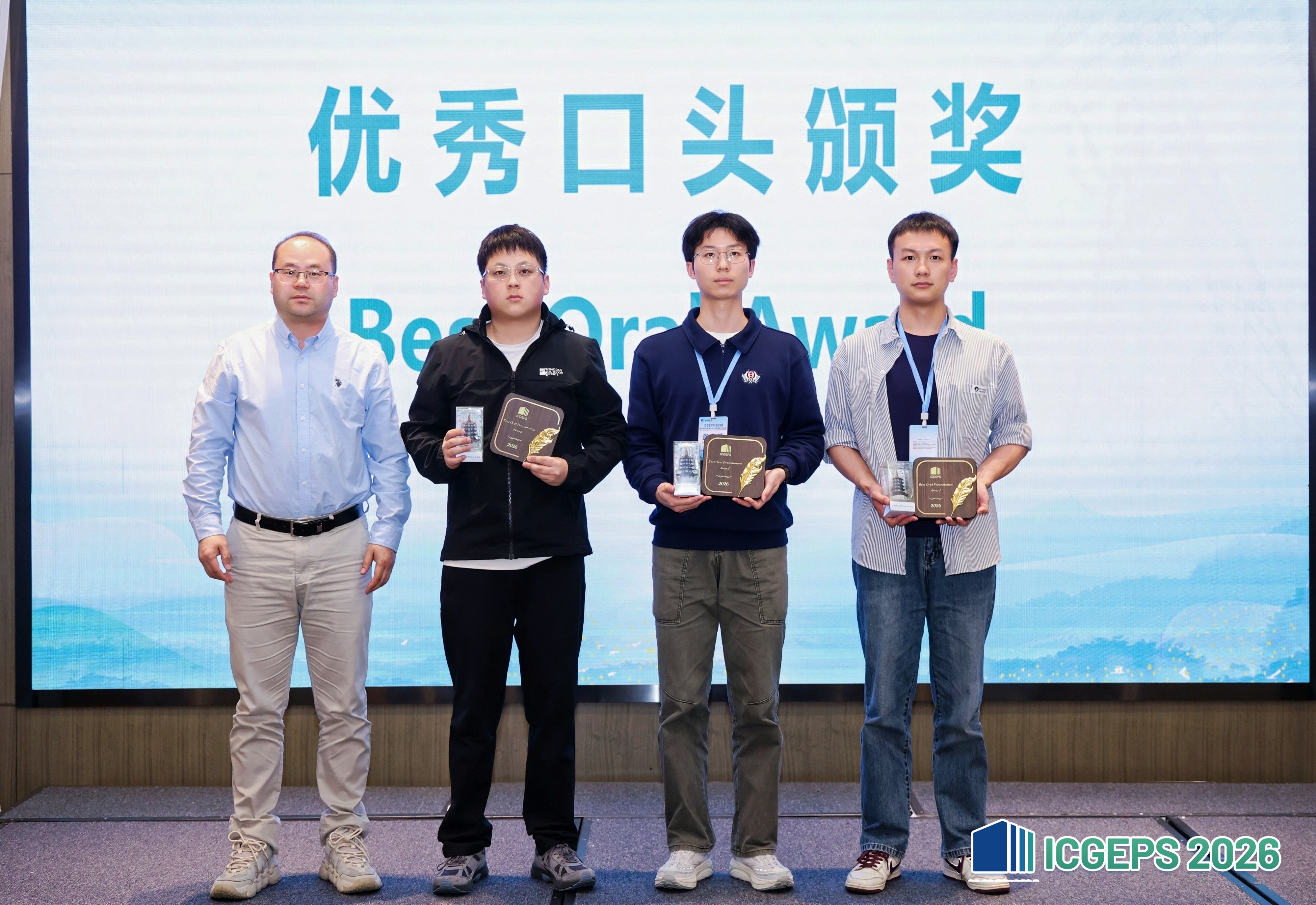
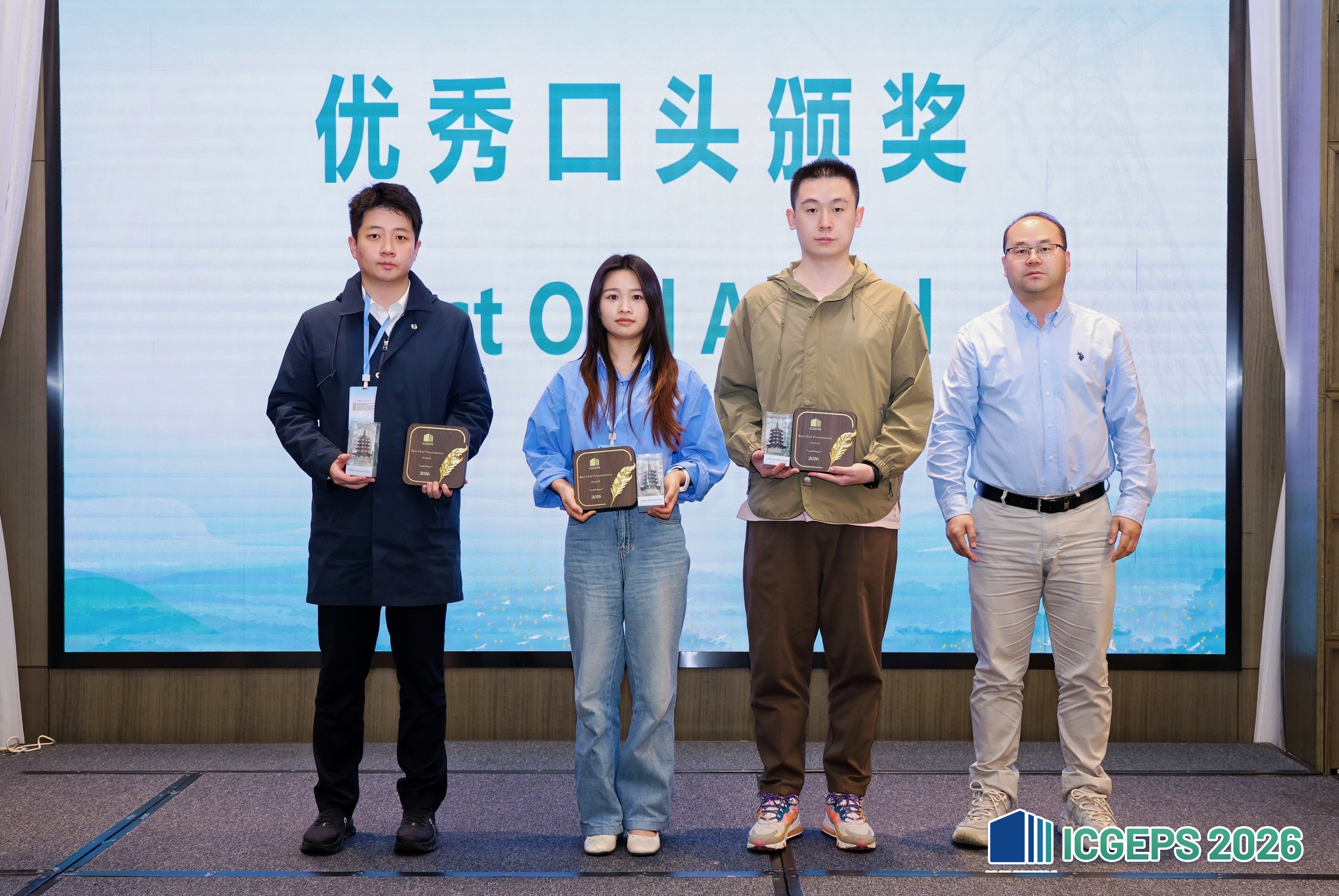
During the conference, an award ceremony was also held. After a rigorous review by the organizing committee experts, the conference presented the Best Paper Awards, Best Student Paper Awards, Best Poster Awards, and Best Oral Presentation Awards to recognize young scholars who demonstrated exceptional achievements in academic innovation and engineering applications. AiScholar provided comprehensive technical support and service guarantees, contributing strong momentum to the successful organization of the conference and the promotion of academic exchange and innovation.
 |  |
 |  |
The successful hosting of ICGEPS 2026 not only established a high-quality academic exchange platform for scholars in the global fields of green energy and power systems, but also further promoted deep interaction between academia and industry. We would like to express our sincere gratitude to all participating experts, authors, reviewers, and conference committee members for their enthusiastic participation and strong support. We look forward to meeting again next year.